
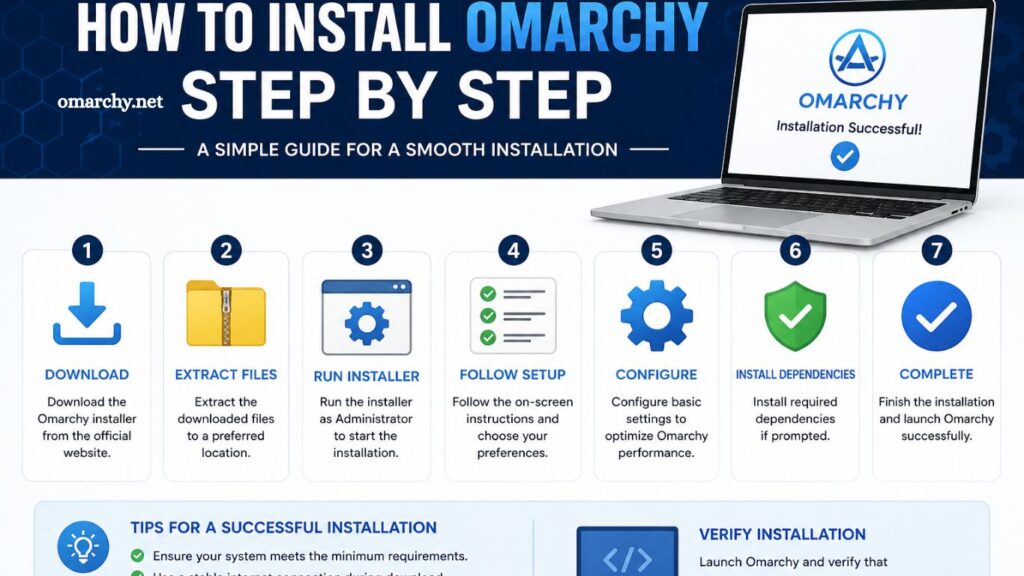
Installing Omarchy requires a clear understanding of system preparation, setup sequence, and configuration practices that ensure a smooth deployment. Proper installation improves performance, reduces errors, and creates a stable environment for long-term use. This guide provides a complete, SEO-optimized walkthrough of how to install Omarchy, step by step, with a structured, beginner-friendly approach.
Understanding Omarchy Installation Requirements
Omarchy installation begins with checking system readiness. A compatible environment ensures the software runs efficiently without interruptions or performance issues.
System requirements generally include sufficient RAM, stable storage space, and a supported operating system. Updated system drivers and administrator access improve installation success rates. Reliable internet connectivity also plays a key role during package downloads and updates.
The preparation stage ensures fewer errors during setup and minimizes troubleshooting later.
Read More: Omarchy Explained: Meaning, Features, and Overview
Preparing the System for Omarchy Setup
System preparation strengthens installation stability and prevents compatibility issues. Clean system environments improve software response and reduce conflicts with existing applications.
Disk space allocation should be reviewed before installation begins. Unused applications and temporary files should be removed to optimize performance. Security settings must allow installation permissions for executing new software.
Backup creation ensures data protection in case rollback becomes necessary during installation changes.
Downloading Omarchy Installation Files
Official sources provide the safest and most reliable Omarchy installation files. Verified downloads prevent corrupted packages and security risks.
File selection depends on system architecture and operating system version. Correct version selection ensures compatibility and smooth execution.
Download completion should be verified through checksum validation or file integrity checks when available. Secure storage of installation files helps maintain organization during setup.
Extracting and Accessing Setup Files
Extraction of downloaded packages prepares the files for installation. Proper extraction ensures all components remain intact and functional.
Dedicated folders improve file organization and reduce confusion during setup steps. Extracted files typically include setup executables, configuration data, and dependency libraries.
Access permissions should be confirmed before running installation files. Administrative rights enable full installation capability without restrictions.
Running Omarchy Installer
Installation execution begins with launching the setup file. Installer interfaces typically guide users through a sequence of configuration steps.
Language selection and agreement acceptance usually appear during initial setup screens. The installation path determines where system files will be stored.
Default installation settings work well for most users, although custom configurations offer more control for advanced setups. Installation progress indicators help track completion status.
Configuring Core Omarchy Settings
The configuration stage shapes system behavior according to user requirements. Proper setup enhances performance and usability.
Network settings ensure smooth communication between system modules. Authentication setup secures access and prevents unauthorized usage.
Performance optimization options may include memory allocation adjustments and background process controls. These settings help align Omarchy with system capacity.
Installing Required Dependencies
Dependency installation ensures Omarchy functions without missing components. Missing libraries can lead to runtime errors or reduced functionality.
Automatic dependency installers simplify the process by fetching required packages. Manual installation may be required in restricted environments.
System updates should be applied before dependency installation to avoid version conflicts. Stable dependency frameworks improve long-term reliability.
Completing Installation Process
The final installation stage confirms successful software deployment. Completion messages indicate readiness for first launch.
A system restart may be required to apply configuration changes effectively. Restart ensures all services initialize correctly.
Installation logs provide detailed information about the success or errors during setup. Reviewing logs helps identify potential issues for troubleshooting.
Verifying Omarchy Installation
Verification ensures Omarchy operates correctly after installation. Launch testing confirms functional readiness.
Basic operations should run without delays or system errors. Interface responsiveness indicates proper installation.
Feature testing ensures all modules load correctly and dependencies function as expected. Performance stability confirms successful deployment.
Troubleshooting Common Installation Issues
Installation errors may occur due to system incompatibility, missing dependencies, or insufficient permissions. Identifying root causes helps resolve problems efficiently.
Reinstallation often resolves corrupted file issues. Updating system components improves compatibility.
Error logs provide valuable insights for diagnosing technical issues. Community forums and official documentation offer additional support resources.
Optimizing Omarchy After Installation
Optimization improves long-term performance and stability. System tuning ensures efficient resource usage.
Startup configurations can be adjusted to improve loading speed. Background process management reduces unnecessary system load.
Regular updates maintain security and introduce performance improvements. Scheduled maintenance ensures consistent operation quality.
Security Practices for Omarchy Installation
Security considerations protect system integrity during and after installation. Safe installation habits reduce vulnerability risks.
Trusted sources must always be used for downloading software. Firewall settings help monitor incoming and outgoing connections.
User access controls restrict unauthorized modifications. Regular security updates strengthen system protection.
Advanced Configuration Options
Advanced users may explore more advanced customization features in Omarchy. These settings allow tailored system behavior for specific use cases.
Script integration enables automation of repetitive tasks. API configurations may extend functionality depending on system capabilities.
Resource allocation tuning improves performance for high-demand environments. Advanced logging options help monitor system behavior.
Maintaining Omarchy System Stability
Maintenance ensures long-term reliability of the installed system. Regular updates prevent performance degradation.
System monitoring identifies potential issues before they escalate. Storage optimization improves response time and efficiency.
Periodic backups safeguard critical configurations and data. Maintenance routines contribute to consistent system health.
Best Practices for Smooth Installation
Following best practices improves installation success rates and system stability. Organized preparation reduces errors during setup.
Ensuring updated system environments prevents compatibility issues. Careful step-by-step execution avoids configuration mistakes.
Documentation review provides clarity on advanced installation options. Consistent verification ensures reliable outcomes.
Frequently Asked Questions
What is Omarchy used for?
Omarchy is used for system management and structured operations, helping users streamline tasks and improve workflow efficiency.
Is Omarchy installation difficult for beginners?
Installation is simple when steps are followed correctly, making it suitable even for users with basic technical knowledge.
What are the system requirements for Omarchy?
It generally requires a compatible operating system, sufficient RAM, stable storage, and updated system drivers.
Can Omarchy be installed on any operating system?
Compatibility depends on the version of Omarchy, so checking official requirements before installation is necessary.
Do I need an internet connection to install Omarchy?
Yes, a stable internet connection is often required to download installation files and dependencies.
How long does it take to install Omarchy?
Installation time varies, but it usually completes within a few minutes, depending on system performance and configuration steps.
What should I do if the Omarchy installation fails?
Check system compatibility, reinstall dependencies, review error logs, and ensure proper permissions before retrying installation.
Conclusion
Installing Omarchy becomes straightforward when each step is followed in a structured manner, from system preparation to final verification. A properly executed installation ensures stable performance, smooth configuration, and long-term reliability. Attention to system requirements, dependency management, and security practices significantly reduces errors and improves overall efficiency. With the right setup, Omarchy delivers a consistent, optimized experience suitable for both beginners and advanced users.