
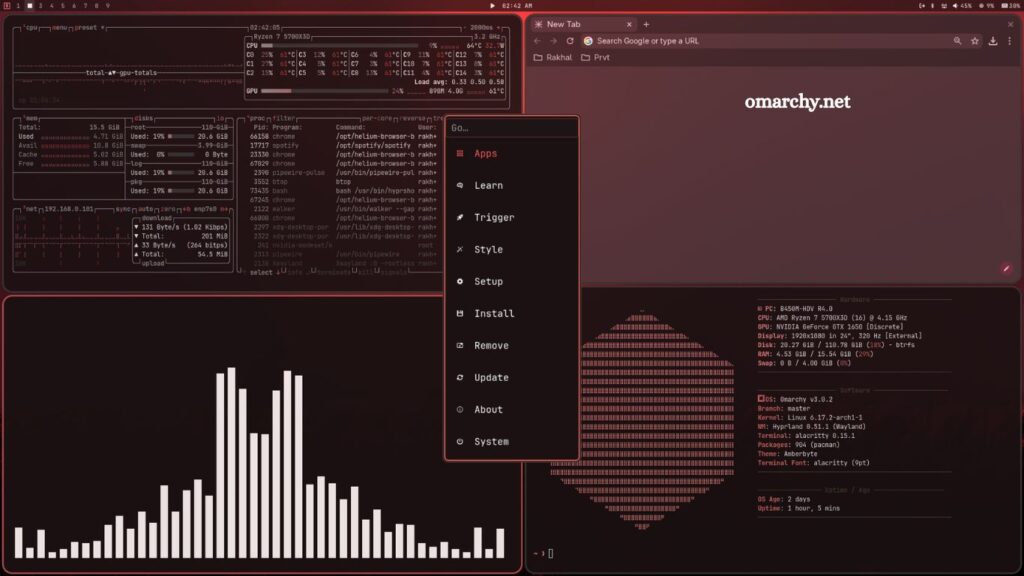
Modern digital ecosystems continue to evolve rapidly, and platforms like Omarchy represent the growing shift toward more structured, efficient, and scalable systems. Understanding its core capabilities helps businesses, developers, and tech enthusiasts evaluate how it fits into modern workflows and digital architecture strategies.
The main features of Omarchy revolve around organization, adaptability, performance optimization, and seamless integration, making it a concept often discussed in advanced system design and digital transformation contexts.
Centralized System Structure and Organization
Strong structural organization stands at the core of Omarchy. The framework emphasizes a centralized yet flexible architecture that allows users to manage components in a more streamlined way. Instead of scattered processes or disconnected modules, Omarchy promotes a unified system where every element has a defined role and interaction pathway.
Improved structural clarity enhances operational efficiency. Teams working within such environments benefit from reduced complexity and better visibility over system behavior. This type of organization also supports easier troubleshooting and maintenance, as dependencies remain well-mapped and accessible.
Read More: Omarchy vs Ubuntu: Best Choice for Your Needs and Use Case
Scalable Architecture for Growing Demands
Scalability remains one of the most important features associated with Omarchy. Systems built on this concept are designed to expand without compromising stability or performance. Whether handling increased data loads, additional users, or more complex workflows, scalability ensures consistent output.
Dynamic resource allocation contributes to smooth scaling. Rather than requiring complete system overhauls, Omarchy-based structures adapt to increased demands through modular expansion. This flexibility makes it suitable for enterprises expecting long-term growth or fluctuating workloads.
High Performance Optimization
Performance efficiency is critical in modern system frameworks, and Omarchy is often associated with optimized execution. Efficient resource usage, reduced latency, and streamlined processing contribute to faster overall system response.
Optimized workflows reduce unnecessary computational overhead. This leads to quicker processing times and improved responsiveness across applications. Enhanced performance not only improves user experience but also supports large-scale operations without bottlenecks or delays.
Modular Design and Component Flexibility
Modular design represents another key feature frequently linked with Omarchy. Instead of rigid structures, the system is built from interchangeable, independent modules that can be modified, replaced, or upgraded without disrupting the entire ecosystem.
Flexibility in design encourages innovation. Developers can introduce new features or adjust existing components without extensive reconfiguration. This approach significantly reduces development time and increases adaptability in rapidly changing environments.
Seamless Integration Capabilities
Integration capability remains essential for any modern digital system, and Omarchy is designed with interoperability in mind. It supports interaction with external platforms, APIs, and tools, enabling smooth data exchange and operational synchronization.
Compatibility with diverse technologies enhances usability. Organizations often rely on multiple systems simultaneously, and seamless integration ensures that Omarchy can function as part of a larger digital infrastructure without friction. This reduces operational silos and improves overall workflow coordination.
Enhanced Security Framework
Security forms a foundational aspect of Omarchy’s design philosophy. Systems built under this structure typically emphasize controlled access, data protection mechanisms, and risk mitigation strategies.
Layered security protocols strengthen system resilience. Authentication systems, encryption methods, and monitoring tools work together to minimize vulnerabilities. This approach helps protect sensitive information and maintain operational integrity across environments.
Automation and Intelligent Workflow Management
Automation capabilities significantly improve efficiency within Omarchy-based systems. Repetitive tasks can be automated, reducing manual intervention and improving consistency in execution.
Smart workflow management supports decision-making processes. Automated triggers and rule-based systems help streamline operations, allowing teams to focus on strategic tasks rather than routine processes. This leads to better productivity and reduced operational costs.
Real-Time Data Handling and Responsiveness
Modern systems require real-time responsiveness, and Omarchy emphasizes fast data processing and instant system reactions. This feature ensures that information is processed as it arrives, enabling timely decision-making.
Real-time capabilities improve accuracy and relevance. Whether managing analytics, user interactions, or system monitoring, immediate data handling allows organizations to respond quickly to changes and emerging conditions.
User-Centric Design Approach
User experience plays an important role in system adoption, and Omarchy incorporates a user-centric design philosophy. Interfaces and workflows are structured to remain intuitive, reducing the learning curve for users.
Simplified interaction models improve accessibility. Clear navigation, logical system flows, and responsive design elements ensure that users can engage with the system efficiently without unnecessary complexity.
Data Management and Organization Efficiency
Effective data management is another key feature associated with Omarchy. Structured storage systems, efficient retrieval methods, and organized data flow mechanisms contribute to improved handling of large datasets.
Optimized data architecture supports better decision-making. When information is properly categorized and easily accessible, organizations can analyze trends, generate insights, and improve strategic planning with greater accuracy.
Interoperability Across Systems and Platforms
Cross-platform compatibility enhances Omarchy’s versatility. The ability to function across different environments ensures that it can integrate into varied technological ecosystems without limitations.
System interoperability reduces fragmentation. Instead of isolated tools and platforms, Omarchy supports connected workflows in which data and processes flow smoothly between systems, improving overall efficiency.
Reliability and System Stability
Stable performance under varying conditions defines the reliability aspect of Omarchy. Systems built with this framework aim to minimize downtime and maintain consistent functionality.
Redundancy mechanisms and fault-tolerant structures contribute to system dependability. Even under heavy usage or unexpected disruptions, operational continuity remains a priority, ensuring minimal impact on performance.
Adaptability to Modern Technologies
Technological evolution demands continuous adaptation, and Omarchy meets this requirement with its flexible architecture. Compatibility with emerging technologies ensures long-term relevance.
Forward-compatible design supports innovation. As new tools, frameworks, and methodologies emerge, Omarchy-based systems can evolve without requiring complete restructuring, making them future-ready.
Cost Efficiency and Resource Optimization
Efficient use of resources reduces operational costs. Omarchy emphasizes minimizing waste through optimized processing, intelligent allocation, and streamlined workflows.
Lower infrastructure demands improve affordability. Organizations benefit from reduced maintenance costs and better utilization of existing resources, making it a practical choice for scalable operations.
Collaboration-Friendly Environment
Collaboration features enhance teamwork across digital environments. Omarchy supports shared access, synchronized workflows, and coordinated task management, enabling multiple users to work effectively within the same system.
Improved communication flow strengthens productivity. Teams can collaborate in real time, share updates, and manage projects more efficiently, reducing delays and improving overall output quality.
Frequently Asked Questions
What is Omarchy?
Omarchy is a structured digital framework designed to improve system organization, scalability, and performance in modern technology environments.
What are the main features of Omarchy?
Key features include modular design, scalability, high performance, strong security, automation, and seamless integration capabilities.
How does Omarchy improve system performance?
It optimizes resource usage, reduces latency, and streamlines processes to ensure faster and more efficient system operations.
Is Omarchy suitable for large-scale systems?
Yes, Omarchy supports scalability, making it ideal for handling growing data volumes, user counts, and complex workflows without performance degradation.
Does Omarchy support integration with other systems?
Omarchy is designed for interoperability, allowing smooth integration with APIs, tools, and external platforms.
How does Omarchy handle security?
It uses layered security mechanisms such as encryption, access control, and monitoring to protect data and system integrity.
Why is Omarchy considered flexible?
Its modular architecture allows easy updates, customization, and expansion without disrupting the entire system.
Conclusion
Omarchy delivers a structured, scalable approach to modern system design, with a strong focus on performance, security, and flexibility. Its modular architecture, seamless integration capabilities, and automation support make it suitable for evolving digital environments. By combining efficiency with adaptability, Omarchy helps improve operational workflows and supports long-term technological growth across diverse applications.