
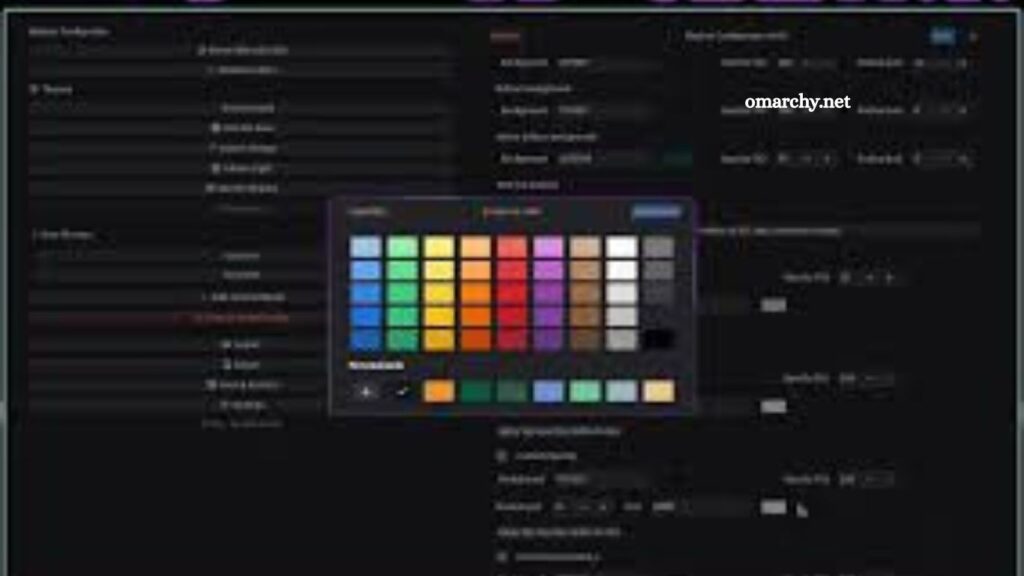
Customization plays a vital role in modern digital systems, especially when flexibility and adaptability define success. Omarchy, as a structured and scalable framework, is designed with adaptability at its core. The ability to customize it easily makes it appealing for developers, businesses, and system architects who require tailored solutions without unnecessary complexity.
Understanding how Omarchy supports customization helps clarify its value in dynamic environments where requirements frequently change. Its architecture, modular design, and integration capabilities all contribute to a system that can be adjusted according to specific needs while maintaining stability and performance.
Understanding Customization in Omarchy
Customization in Omarchy refers to the ability to modify, extend, or adapt system components without disrupting the entire structure. This includes altering workflows, integrating new tools, adjusting system behavior, and scaling features based on operational requirements.
The framework is designed to avoid rigid constraints. Instead of forcing users into predefined structures, it allows flexibility in configuration. This approach ensures that organizations can shape the system according to their goals, rather than adjusting their processes to fit the system.
Read More: Main Features of Omarchy Explained
Modular Architecture That Supports Easy Changes
One of the strongest reasons customization is straightforward in Omarchy is its modular architecture. The system is built using independent components that function together while maintaining separation of concerns.
Each module performs a specific role, which makes it easier to update or replace parts of the system without affecting the entire setup. For example, a data processing module can be upgraded without changing the security or integration layers.
This separation reduces risk and simplifies development. Developers can focus on individual components, which improves efficiency and reduces the chances of system-wide errors during customization.
Flexibility in System Configuration
Omarchy provides flexible configuration options that allow users to adjust system behavior according to specific needs. These configurations control how modules interact, how data flows through the system, and how processes are executed.
Instead of requiring big structural changes, most customizations can be handled through configuration settings. This reduces development time and allows faster implementation of new features or adjustments.
Flexibility in configuration also supports experimentation. Organizations can test different setups without committing to permanent structural changes, making it easier to optimize performance over time.
Integration Capabilities for Extended Customization
Modern systems rarely operate in isolation, and Omarchy addresses this through strong integration capabilities. It supports connection with external APIs, tools, and platforms, enabling users to extend functionality beyond the core system.
This ability significantly enhances customization options. Businesses can integrate third-party services, analytics tools, communication platforms, and more, depending on their requirements.
Seamless integration ensures that new features do not require rebuilding existing systems. Instead, they can be added as extensions, maintaining system stability while expanding functionality.
Role of Automation in Customization
Automation is another important element that supports customization in Omarchy. Automated workflows allow users to define rules and processes that execute tasks without manual intervention.
These automation features can be customized to match specific operational needs. For example, data processing workflows, notifications, and reporting systems can all be configured based on predefined conditions.
This reduces repetitive manual tasks and ensures consistency in execution. It also allows organizations to build intelligent systems that adapt automatically to changing conditions.
Scalability and Its Impact on Customization
Scalability plays a significant role in how easily Omarchy can be customized. As system demands grow, customization requirements often increase as well. Omarchy is designed to handle this growth without requiring major structural changes.
The system can scale both vertically and horizontally, allowing new modules or resources to be added as needed. This ensures that customization remains smooth even when the system expands.
Scalable architecture prevents performance bottlenecks during customization. Whether adding new features or modifying existing ones, the system maintains stability and responsiveness.
User-Centric Design for Simplified Adjustments
User-centric design principles also influence ease of customization. Omarchy focuses on creating intuitive interfaces and logical workflows that simplify system interaction.
Clear structure and accessible controls reduce the learning curve for customization. Users can make adjustments without needing deep technical expertise in many cases, especially when working with configuration-based settings.
This approach improves accessibility and allows both technical and non-technical users to participate in system customization processes.
Security Considerations During Customization
Customization must always maintain system security, and Omarchy incorporates protective measures to ensure safe modifications. Access controls and permission layers regulate who can make changes within the system.
This prevents unauthorized modifications that could compromise system integrity. Even during extensive customization, security protocols remain active to protect data and operational processes.
Encryption and monitoring tools further support safe customization by tracking changes and identifying potential risks in real time.
Real-Time Adaptability and Custom Adjustments
Omarchy supports real-time adaptability, allowing certain customizations to take effect immediately. This is particularly useful in dynamic environments where rapid changes are required.
Real-time adjustments ensure that updates do not require system downtime. This improves operational continuity and reduces disruption during customization processes.
Organizations benefit from the ability to respond quickly to new requirements without waiting for long deployment cycles.
Developer-Friendly Environment for Advanced Customization
For technical users, Omarchy provides a developer-friendly environment that supports deeper customization. APIs, development tools, and scripting options allow advanced modifications beyond standard configuration.
Developers can build custom modules, extend existing functionalities, or create entirely new workflows within the system. This level of flexibility ensures that Omarchy can adapt to highly specialized use cases.
Documentation and structured architecture further simplify the development process, making customization more efficient and predictable.
Data Management Customization Options
Data handling is a critical part of system customization. Omarchy allows users to define how data is stored, processed, and retrieved.
Custom data pipelines can be created to match specific business requirements. This includes filtering, transformation, and analytics processes tailored to organizational needs.
Such flexibility ensures that data management aligns with operational goals, improving decision-making and efficiency.
Benefits of Easy Customization in Omarchy
The ability to customize Omarchy easily provides several advantages. It reduces development time, improves system adaptability, and enhances long-term usability.
Organizations can respond quickly to market changes without rebuilding entire systems. This agility is especially important in competitive environments where flexibility determines success.
It also reduces dependency on external development resources, as many adjustments can be handled internally through configuration and modular updates.
Challenges in Customization
While customization is straightforward, it still requires planning and understanding of system architecture. Poorly managed changes can lead to inefficiencies or conflicts between modules.
Proper documentation and structured implementation are essential to ensure smooth customization. Testing changes before full deployment helps maintain system stability.
Balancing flexibility with control is important to avoid unnecessary complexity during customization processes.
Frequently Asked Questions
Can Omarchy be customized easily?
Yes, Omarchy is designed with a modular structure and flexible configuration, making customization straightforward and efficient.
What makes Omarchy easy to customize?
Its modular architecture, integration capabilities, and user-friendly configuration options simplify customization.
Do I need coding skills to customize Omarchy?
Basic changes can often be made through configuration, but advanced customization may require knowledge of development.
Can I add new features to Omarchy?
Yes, new features can be added through modules, APIs, and extensions without disrupting the core system.
Is customization in Omarchy safe for system performance?
Yes, if done properly. Omarchy is built to maintain stability and performance during customization.
Does customization affect system security?
Security remains intact due to built-in access controls and permission layers that manage changes safely.
Can Omarchy support large-scale customization?
Yes, its scalable architecture allows both small adjustments and large-scale system modifications to be made efficiently.
Conclusion
Omarchy supports easy customization through its modular architecture, flexible configuration system, and strong integration capabilities. These features allow users to modify and extend functionality without disrupting overall system stability. Its scalable design and user-friendly structure make it suitable for both simple adjustments and advanced development needs. This flexibility ensures Omarchy remains adaptable to evolving requirements and long-term digital growth.